
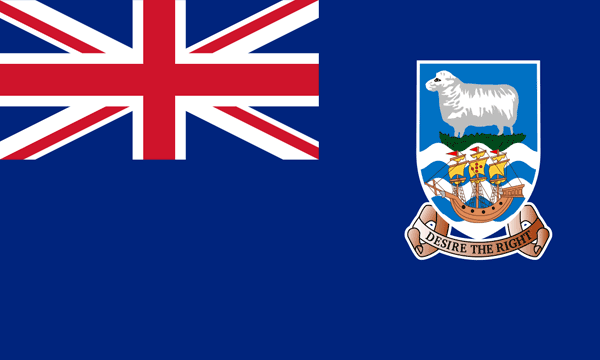
 Falkland Islands
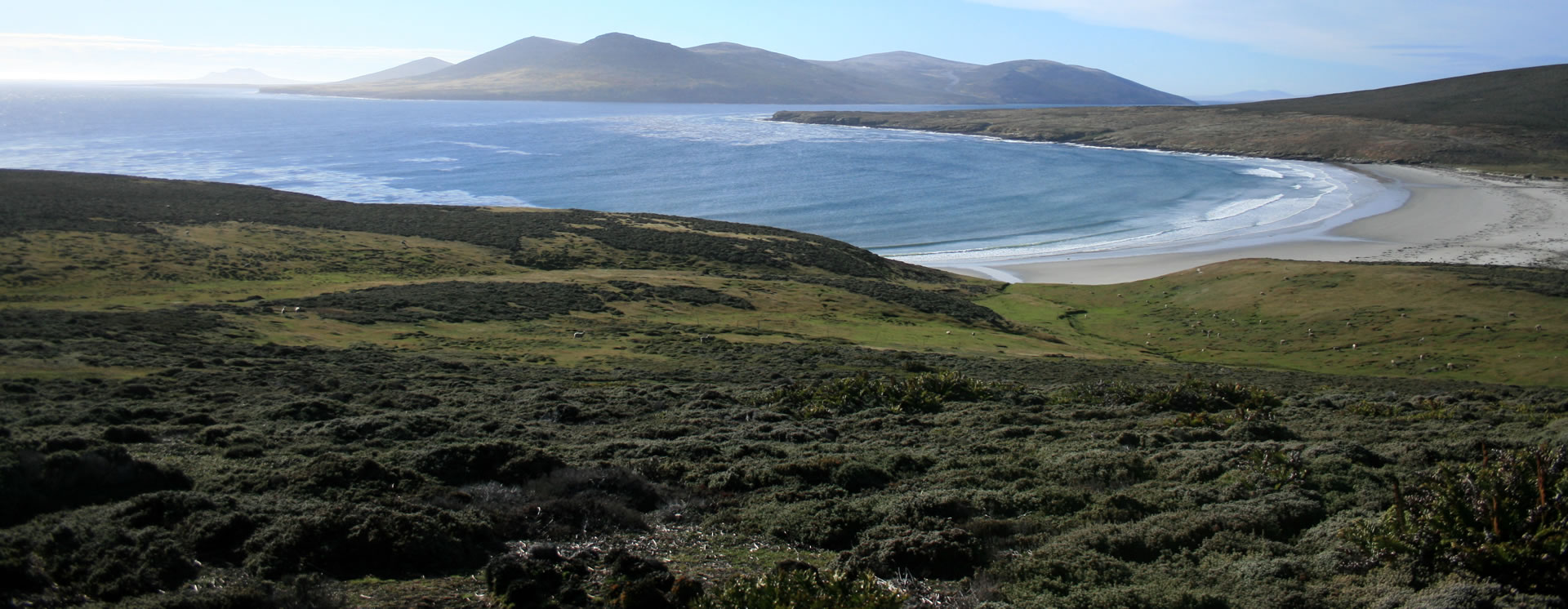
The Falkland Islands (Islas Malvinas) are in the South Atlantic ocean, approximately 300 miles east off the Argentine coast (a one and a half hour flight from Punta Arenas in Chile). The islands are a self-governing Overseas Territory of the United Kingdom, independent except for defence and foreign affairs (which remain the responsibility of the British Government). The people are mainly of British descent and traditionally live in small sheep farming communities.
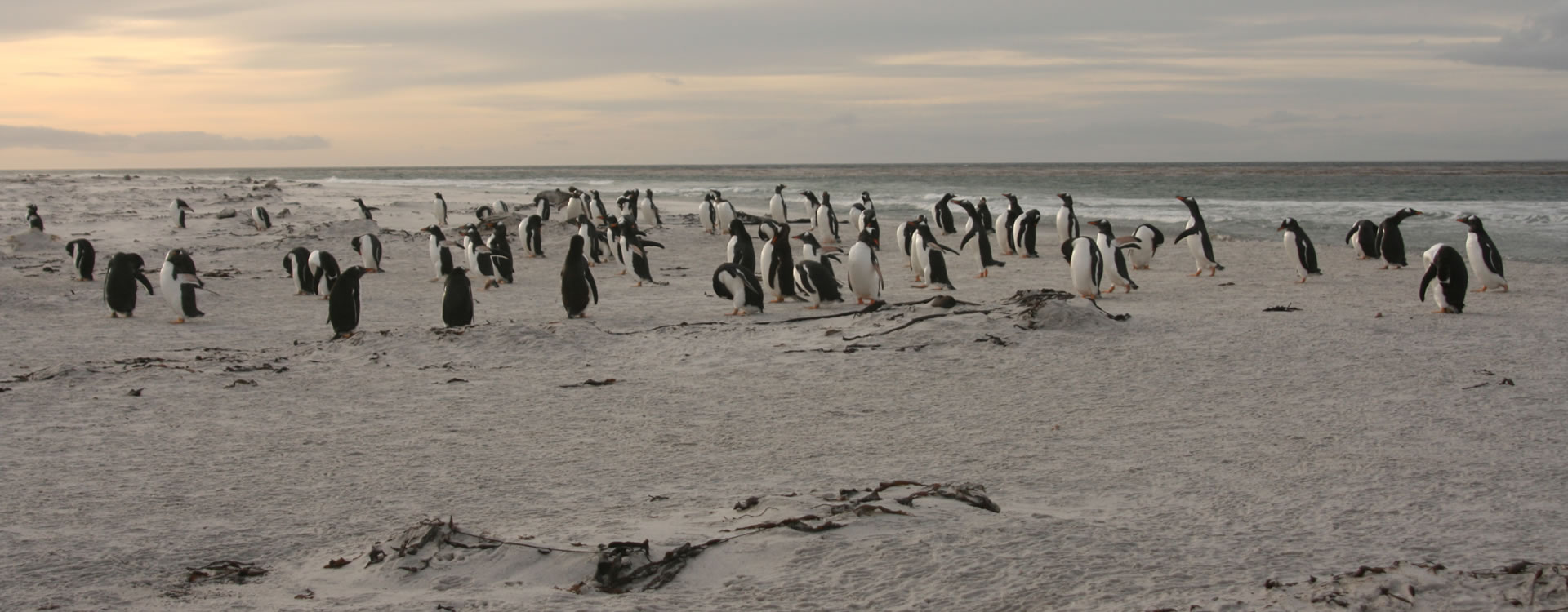
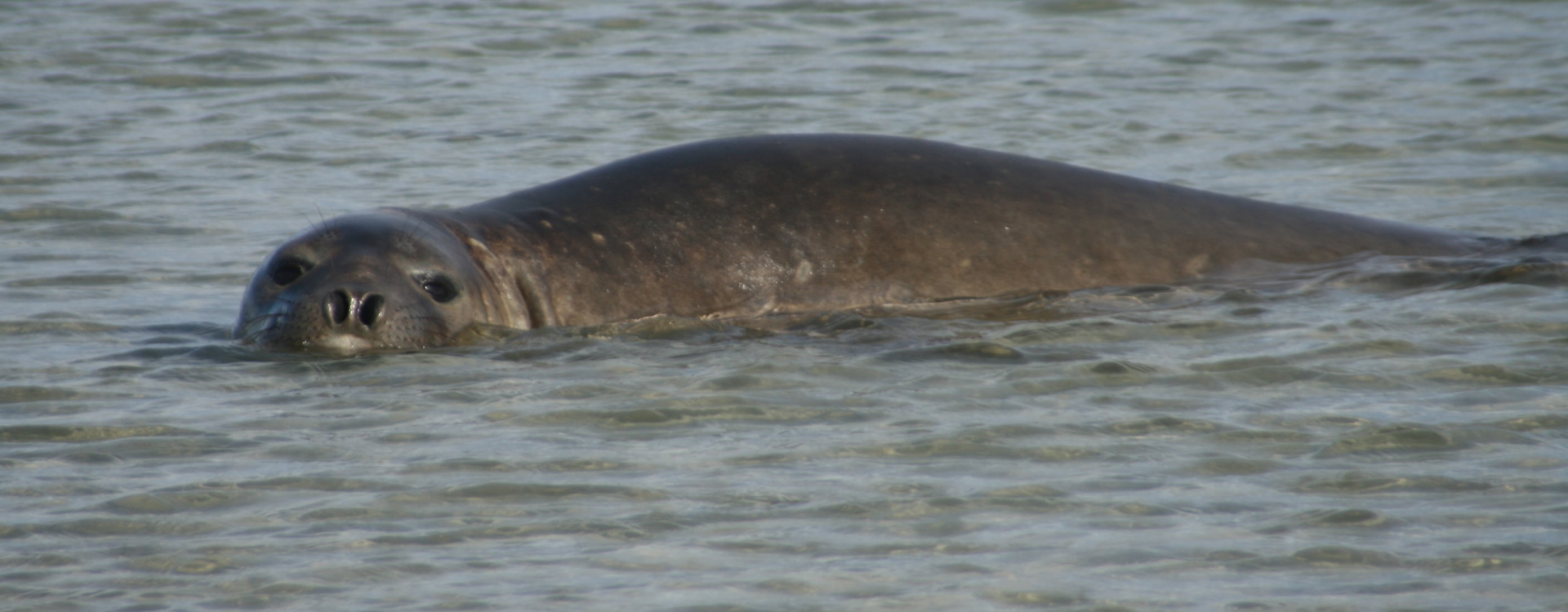
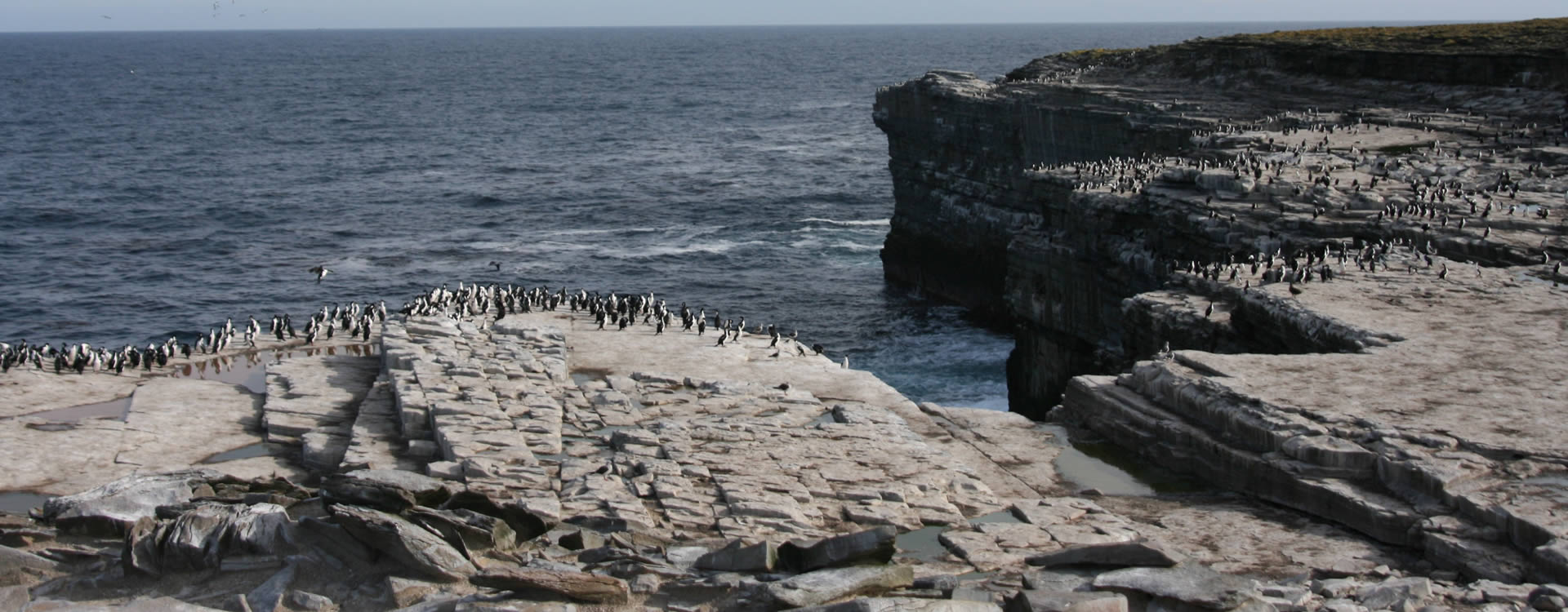
The rich waters surrounding the Falkland Islands attract spectacular birds and wildlife, particularly penguins. King, Gentoo, Magellanic and Rockhopper penguins all breed on the islands (and you may also see Macaroni penguins). Sharing the white sandy beaches with the penguins are elephant seals and sea lions. There are also 200 species of birds, ranging from the tiny tussac bird to the black-browed albatross. There are also many striated caracaras (Johnny rooks), which are very rare elsewhere. Porpoises and dolphins are often seen in the bays, as are whales. Diddle-dee berries are endemic: these tiny, red, bittersweet berries grow on the Diddle-dee shrub which bears fruit in the autumn, and are often used to make jam.
Fishing in the Falklands is very rewarding. The native mullet can grow to over 20lb; brown trout were introduced to Falkland rivers in the 1940's and quickly established themselves - catches of over 10lbs are common - especially for sea trout. There is a resident zebra (or Falkland) trout which is protected. The trout season runs from 1 September to 30 April, and most areas operate a catch-and-release policy.
LAN fly to Mount Pleasant from Santiago via Punta Arenas once a week, on Saturdays only. The MoD also operates twice weekly flights from RAF Brize Norton in Oxfordshire.
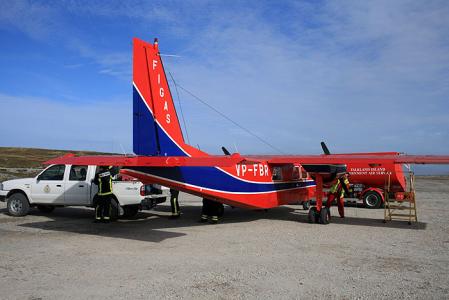
Getting around the islands by air is with FIGAS' (Falkland Islands Government Air Service) 10-seater aircraft. On most islands there is only one place to stay, usually with limited rooms.
Highlights
Here are some of our Falkland Islands highlights
Island hopping
Each of the islands has its own draw cards, from Saunders Island, the site of the first British settlement, to tiny Bleaker island, just 12 miles long. Hop between the islands on the small local planes - wonderful views and unique landing strips!
Wildlife
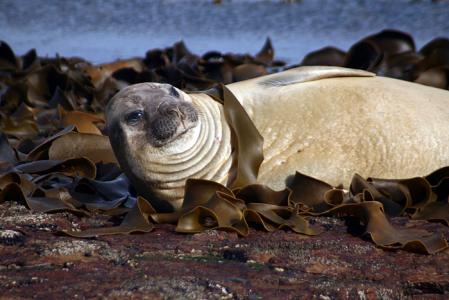
It's not just penguins you'll find in the Falklands, Sea Lion Island is home to colonies of elephant seals and sea lions. If your timing is right you may even spot pods of killer whales (orcas) circling the island looking for pups.
Penguins galore
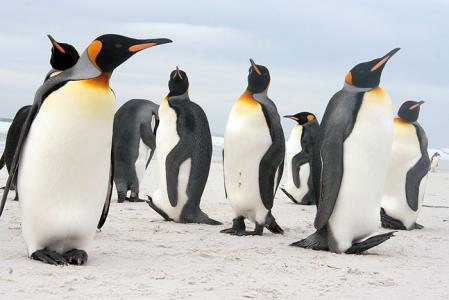
The impressive Volunteer Point on East Falkland is the largest most accessible king penguin colony. Thousands of adult penguins and several hundred chicks jostle for space amidst the few visitors who make the trip here.
The itinerary you put together was absolutely tremendous - thank you. We were welcomed into the community of the Falklands and really enjoyed learning about their way of life, the farming aspect and the wonderful wildlife. The timings in each location, the ship/hotel/yurt/lodge accommodation, your valuable knowledge on where to send us and what would suit us, the insight into different locations in the itinerary details was useful, your care and advice before our trip was so much appreciated and having the knowledge that you were tracking our progress while we were away was extremely reassuring, especially when circumstances beyond anyone's control, threw the itinerary and travel arrangements into disarray. We can't thank you enough for looking after us so well on our trip of a lifetime. We certainly hope to travel back to Latin America and you would be our "first port of call" to arrange a trip because I know I can put absolute faith in your commitment to a caring service for your clients. I will miss our contact, I feel we have become friends! All the more reason for us to think about another trip!!
- SR